In today’s digital age, many children use screens for learning. This includes at the primary school level (e.g. Times Table Rock Star), 11 plus preparation stage (e.g CGP online) and even at the secondary school level (e.g GCSE Pod).
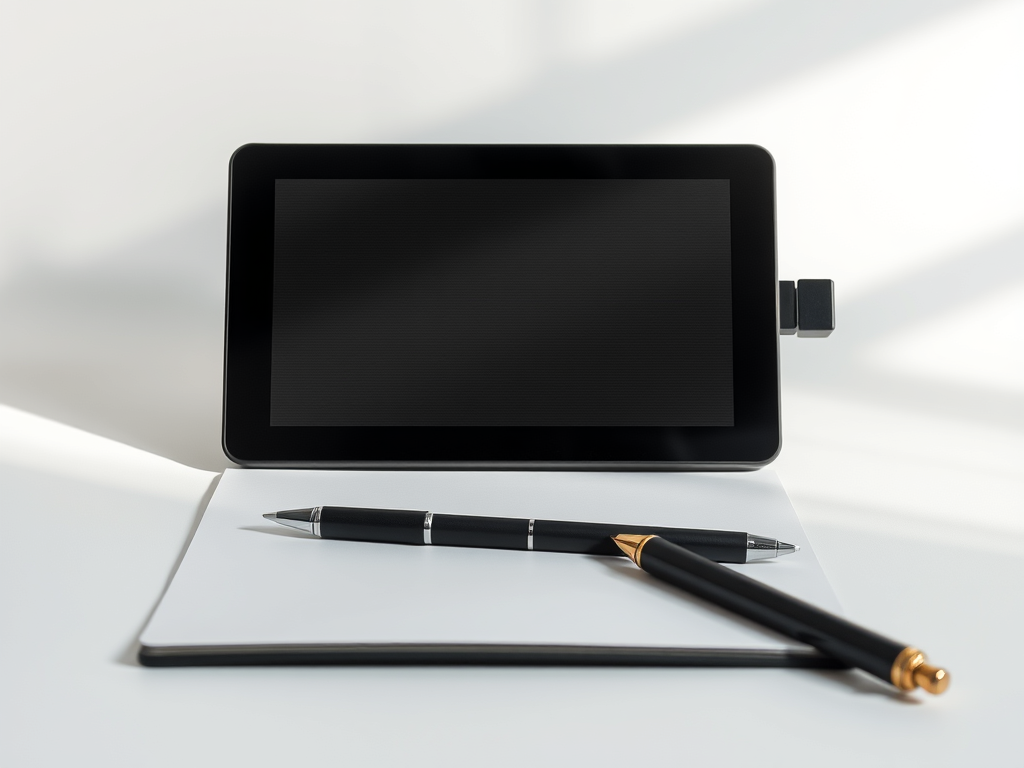
Some experts, however, argue that traditional pen & paper methods are still better. Both digital and traditional approaches have pros and cons, and the best choice may depend on the child’s needs.
One advantage of screens is that they offer interactive and engaging learning tools. A 2021 study by the National Literacy Trust found that 65% of children felt more motivated to learn when using digital devices. However, we would suggest parents take this with a pinch of salt. If a child sits at a screen for 60 minutes, how many of those minutes are actually used to study, and how many minutes are wasted by going on other websites to access non-study content?
Educational apps and videos can make complex topics easier to understand. However, too much screen time can lead to eye strain and shorter attention spans. The World Health Organization (WHO) recommends that children aged 5-11 limit screen time to two hours per day for non-educational use, but many exceed this limit. With our own children, we limit screen time significantly more than the WHO recommendation. Screen time is a big problem for children across all age ranges. But for pupils in Year 5 preparing to sit the 11 plus exam, it’s a very big problem. Children only get one shot at the 11 plus exam. It’s true there is also the 12+ exam, but the chances of getting into a grammar school via the 12+ route is quite small. The competition for grammar school places is so high that the most serious students are studying for several hours per day – even against the advice of grammar schools. In this context, losing hours to television or YouTube everyday will dramatically decrease a child’s chances of getting into a grammar school.
In contrast to screen-based learning, writing by hand has been proven to boost memory and critical thinking. A study from Psychological Science (2020) showed that students who took notes using pen & paper remembered information better than those who typed. Pen and paper also reduce distractions from games or social media. However, some children find handwriting slower and less engaging than typing, which could discourage them from completing assignments. On the point of writing being off-putting for some children, most 11+ answers are recorded on multiple choice answer sheets, so there is very little writing in the majority of cases.
Ultimately, a balanced approach may work best. Using screens for interactive lessons, while relying on pen and paper for note-taking, could help children benefit from both methods. Parents and teachers should monitor screen time and encourage breaks to protect young learners’ eyes and focus. Remember, trying to cram too much information in a short time rarely works, so it is better to space out studying and build breaks into the study programme (you may wish to read the article on study timetables and download a timetable).
Looking for downloadable resources? Head to our downloads page.
 Grammar School Pathway